Our Work

Different forms,
same promise.

Burma is not one place. The needs in a Chin Hills village are not the needs of a children's home in Rangoon, and neither is what a free clinic in the central plains is solving. Our work follows the people, not the program.

Children's Homes

Where children
are kept whole.

Light of Burma supports three partner homes that take in children whose families — through war, illness, displacement, or poverty — cannot care for them. Christ Embassy Children's Home and Lighthouse Orphanage are two of those homes. They are not warehouses for children. They are households. The children there are kept clothed, fed, in school, and known.

Our role is straightforward: we underwrite the parts of the budget that local giving cannot cover. School fees. Uniforms. The third meal of the day. The new pair of shoes when the old ones tear. Repairs to the building when the roof gives way in the monsoon.

Both homes are operated entirely by Burmese staff. We do not place foreign volunteers, do not run mission trips, and do not interfere with how each home raises its children. We have learned that the best thing distant friends can do is be reliable.
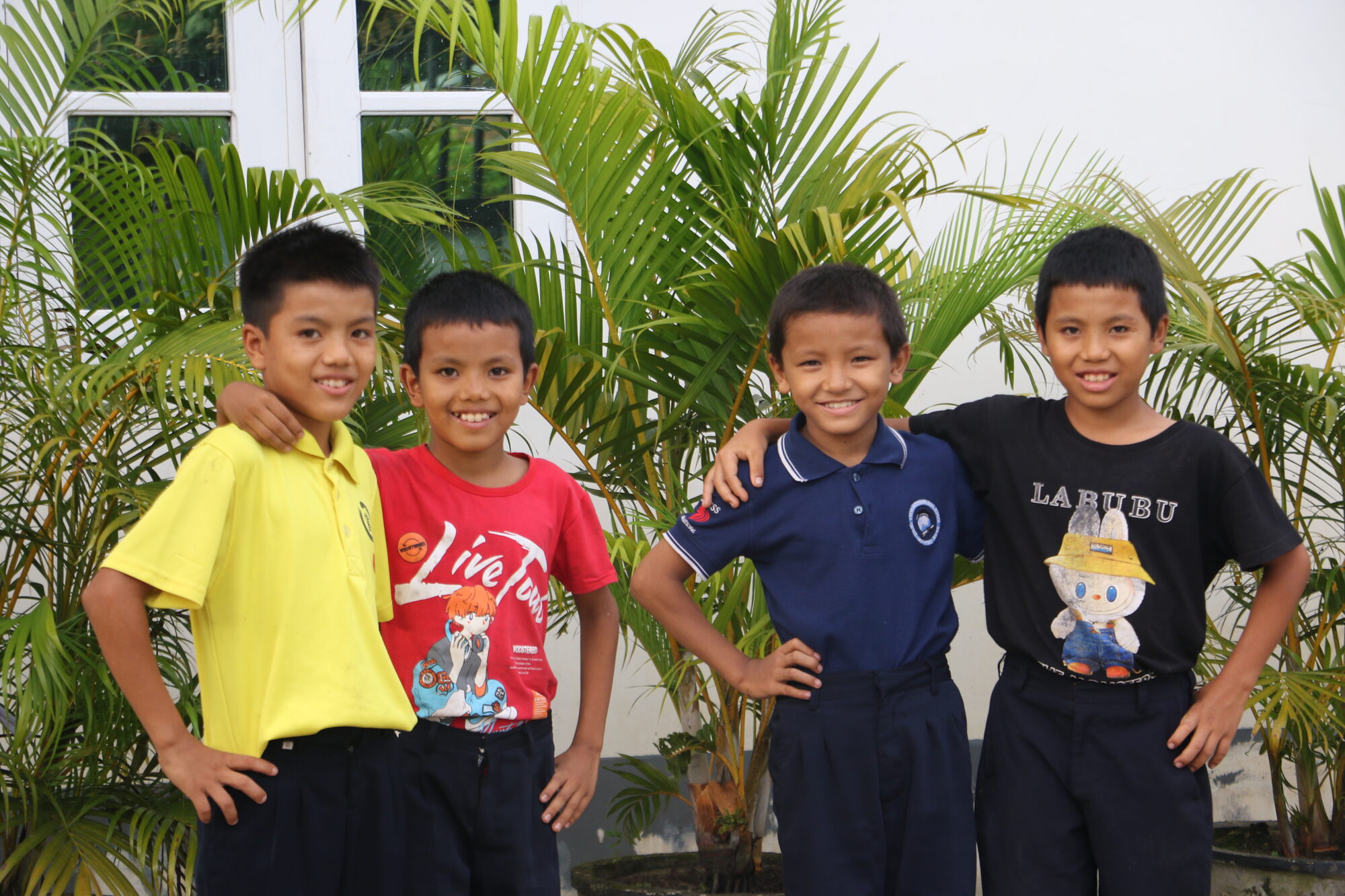
A group of boys at Christ Embassy Children's Home, arms around each other and smiling
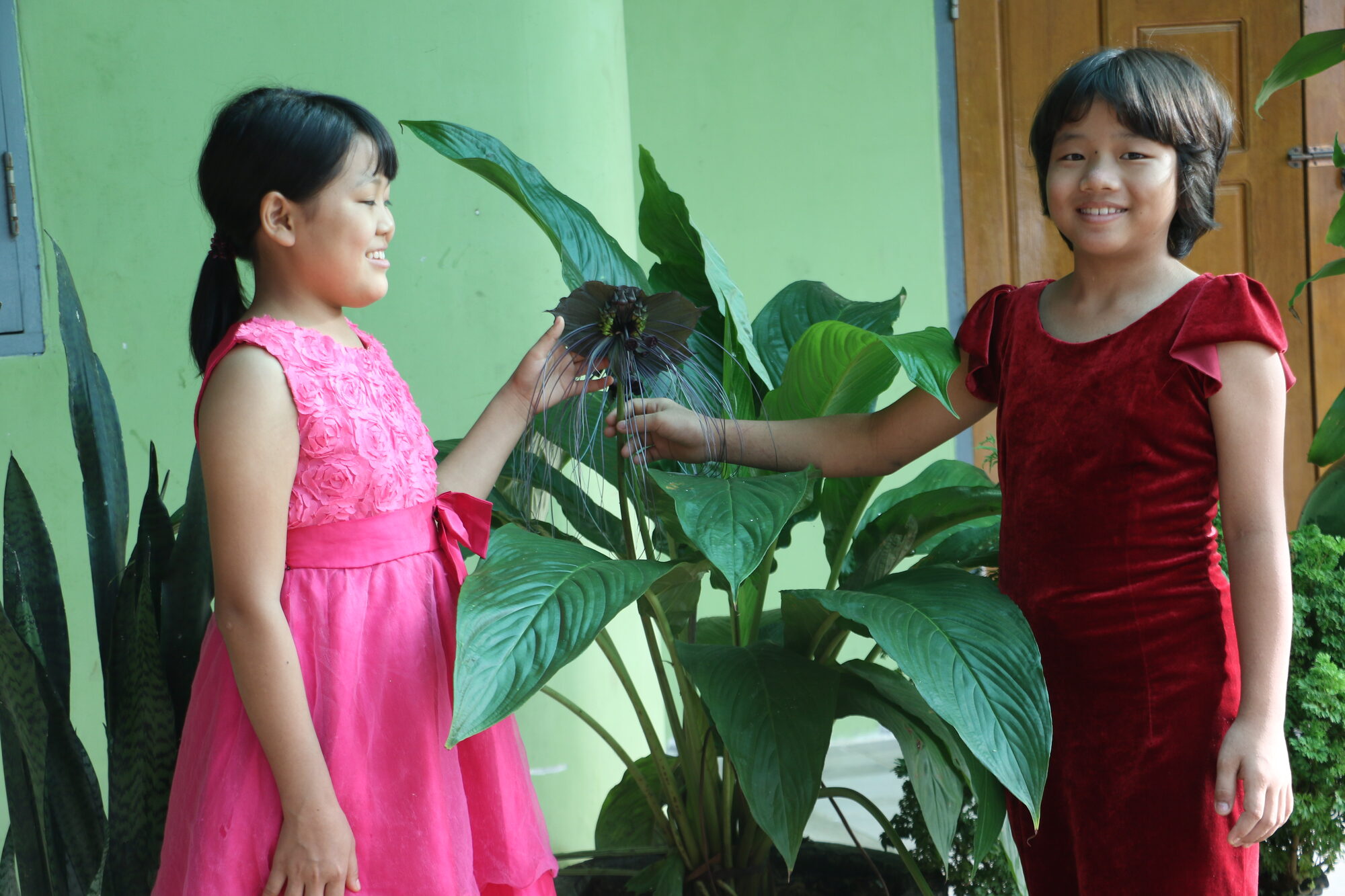
Two young women at Christ Embassy Children's Home with a flowering plant
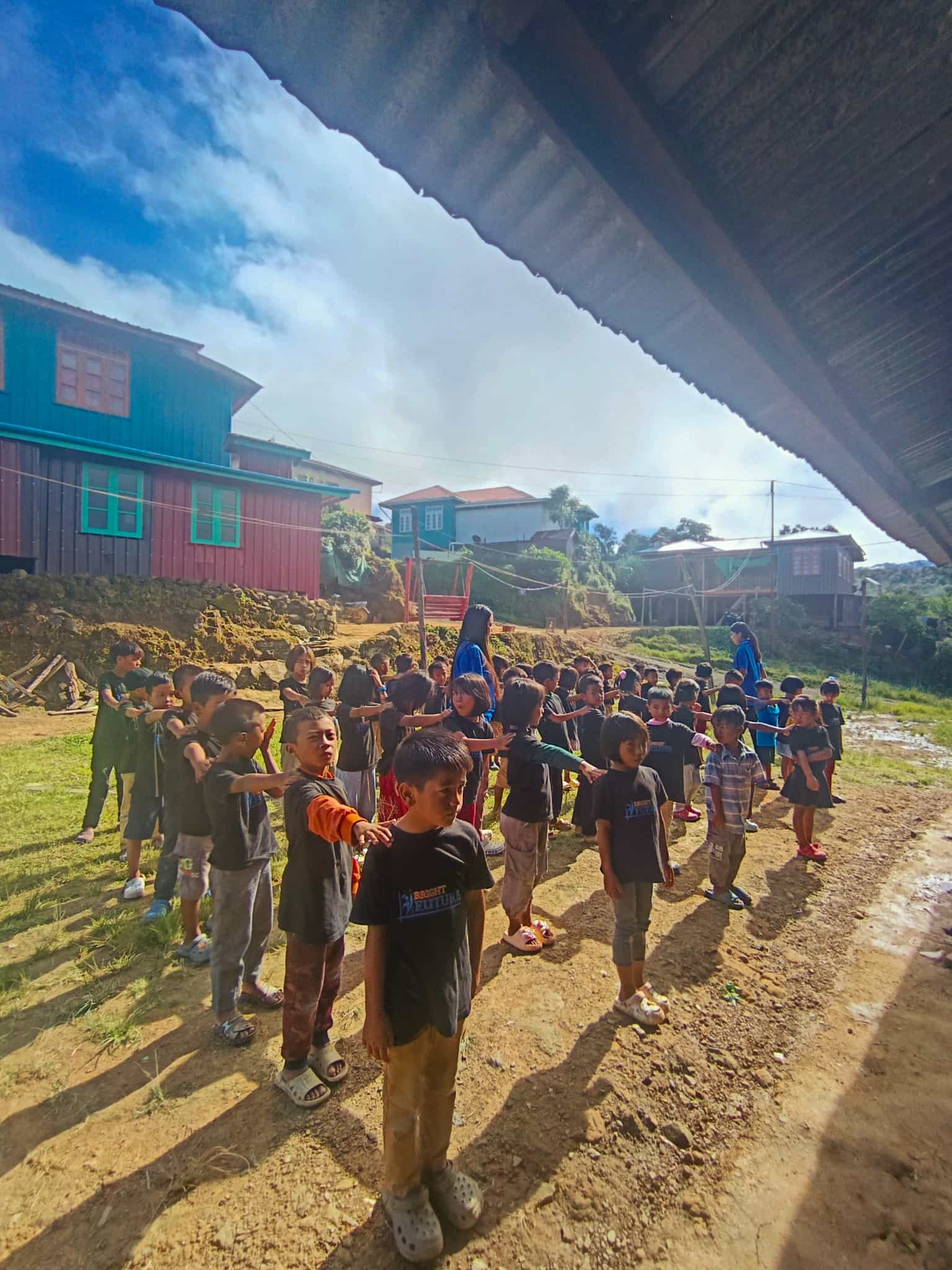
Students at Zephai Primary School in Chin State

Schools & Education

School fees are the
quietest emergency.

In Burma, public school is technically free and practically not. Uniforms, books, exam fees, transport, and the small daily costs of being a student add up quickly — and for a family choosing between rice and tuition, rice wins. The child stays home. A year is lost. Often more than one.

Light of Burma supports students at five partner schools, with programs in Hriphi, Zephai, and Thau in Chin State and growing work in Rangoon. We pay tuition, supply books, fund teacher stipends, and provide meals where they are needed. The schools themselves are run by local educators who know which families need quiet help and how to give it without shame.

In some communities, the war has destroyed or eliminated public schooling entirely. There, we have done more than help with fees. We have funded the construction of schools from the ground up, partnering with local leaders to bring classrooms back to children who would otherwise have none.

When a child stays in school, almost every other indicator of family wellbeing improves. We have watched it happen for two decades.

Where We Serve

Five communities. Three regions.

Our partners are concentrated in the Chin Hills, the Rangoon metro area, and the central dry zone. Each site has been a relationship for at least a decade.

Chin State

Hriphi

A school program supporting students whose families would otherwise be unable to afford the costs of attendance. Operated by local educators with deep community ties.

Chin State

Zephai

Tuition support, school supplies, and ongoing teacher stipends. One of the longest‑running partnerships in our portfolio.

Chin State

Thau

Education support and a small ongoing relief budget for the families of students experiencing acute need.

Yangon Region

Rangoon

Children's home support and growing school engagement in the metro area, where the cost of living has made even small subsidies meaningful.

Mandalay Region

Central Burma

Care for vulnerable neighbors — including a free traditional medicine clinic and learning support for local children — in partnership with community leaders. Specifics held in private donor briefings.

Always

Where we are needed.

When emergencies arise — storms, displacement, illness — we move resources quickly through the same trusted partners. No new vendors. No paperwork delay.

What Your Gift Funds

A small budget, tightly held.

$50

Feeds a child for a month

Three meals a day for a month at one of our partner homes — including the rice, vegetables, and small protein that holds a growing child together.

$200

Sends a student to school for a year

Tuition, uniforms, books, and exam fees for one student in Chin State for an academic year. Often the difference between staying and leaving.

$1,000

Underwrites a teacher's stipend

A meaningful contribution toward a teacher's annual support — the lever that keeps schools open and quality classroom hours happening.

Figures are illustrative averages based on partner reporting. Actual costs vary by site and year.

Take the next step

Become a monthly partner.
That is the most useful thing.

Predictable monthly giving lets us plan a year ahead. It keeps schools from rationing supplies in February and clinics from running out of medication in October.